
Laminectomy (Cervical)
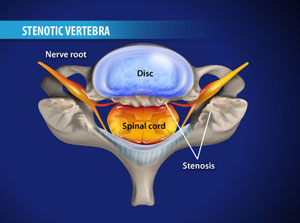
This procedure removes a section of bone from the rear of one or more vertebrae to relieve the painful and disabling pressure of stenosis.
Kyphoplasty (Balloon Vertebroplasty)
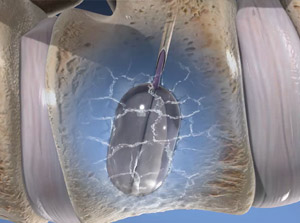
This minimally-invasive procedure repairs a vertebral compression fracture. It helps restore the spine’s natural shape. Some patients experience rapid pain relief after the procedure.
Intraoperative Neurophysiologic Monitoring (IONM; IOM)
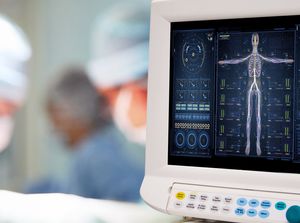
This is a way to monitor your nerves during surgery. It gives your surgical team real-time feedback. It helps keep your nerves safe during your procedure. Here’s how it works.
Interlaminar Stabilization (coflex®)
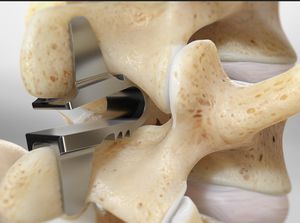
This small implant gives your spine support. It’s placed in your spine as part of a surgical treatment for the pain of spinal stenosis. Unlike a spinal fusion, the implant preserves motion. So your spine can still move naturally.
Cervical Laminaplasty (no hardware)

This procedure is used to treat a painfully restricted spinal canal in the neck. The procedure creates more space for the spinal cord and nerve roots, immediately relieving pressure. The technique is often called an “open door laminaplasty,” because the back of the vertebrae is made to swing open like a door.
Artificial Disc Replacement (in the Lumbar Spine)
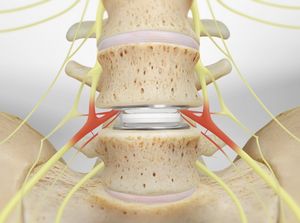
This surgery treats a bad vertebral disc in your lower back. It replaces the bad disc with an artificial one. The new disc will let your spine bend and twist. For some, this surgery is an alternative to spinal fusion.
Anterior Cervical Discectomy and Fusion (Intervertebral Spacer)
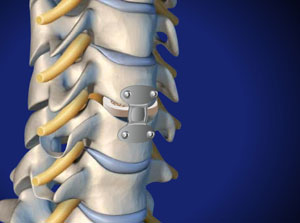
This surgery removes a herniated or diseased disc and relieves neck and radiating arm pain caused by parts of the disc pressing on nerve roots.
ALIF: Anterior Lumbar Interbody Fusion (with bone graft and pedicle screws)
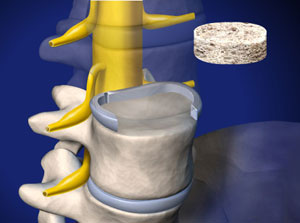
ALIF is generally used to treat back or leg pain caused by degenerative disc disease. The surgeon will stabilize the spine by fusing vertebrae together with bone graft material.